Apparently, the grounds beneath the Viaduct have been used sporadically as a traveller's site, although it was deserted when I was wandering round. The shrieking clattering noise caused by the traffic passing overhead was suitably dramatic and unsettling.
Showing posts with label whitlingham. Show all posts
Saturday, 20 August 2011
Traffic Overhead: Underneath the Postwick Viaduct
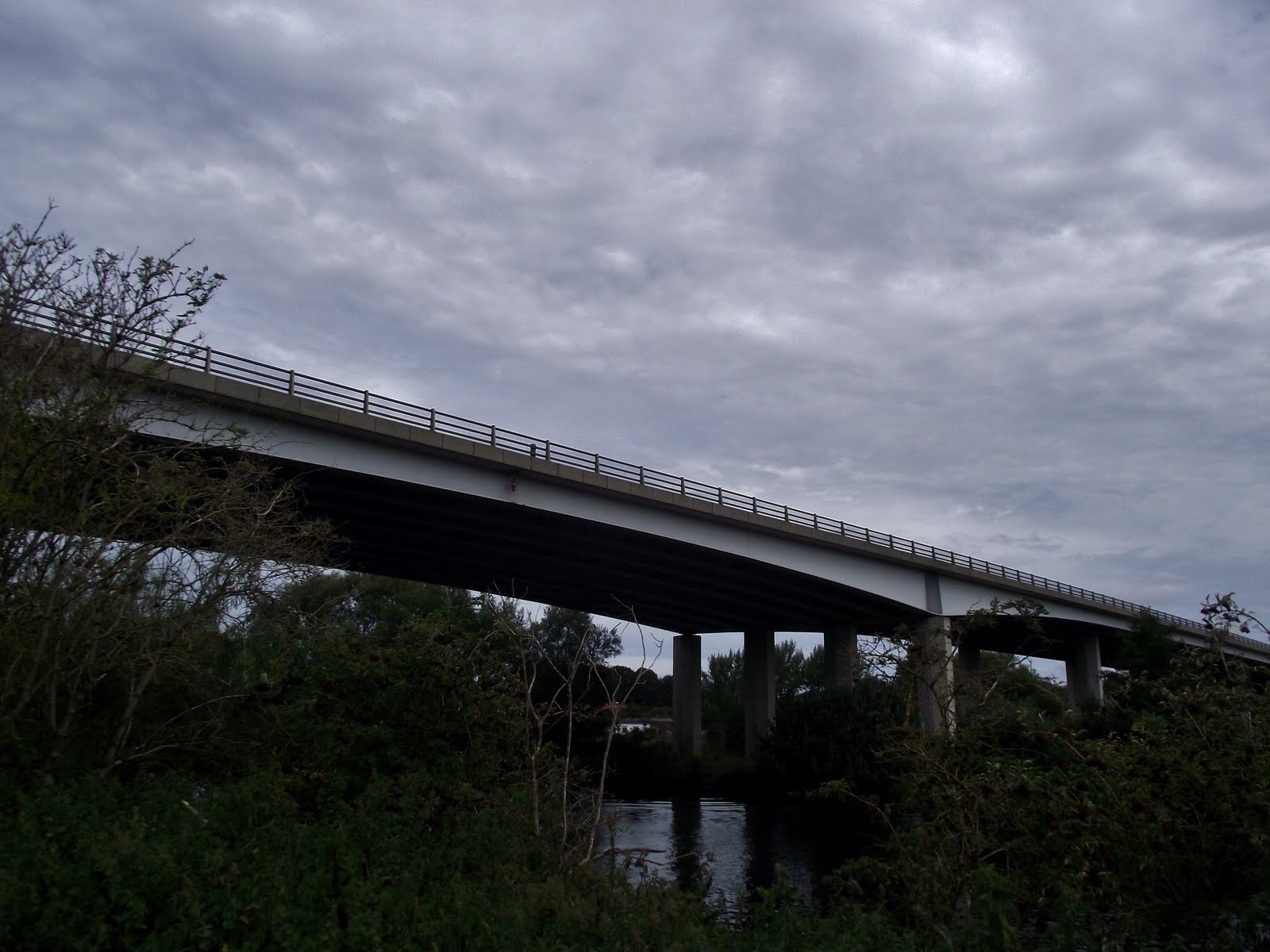
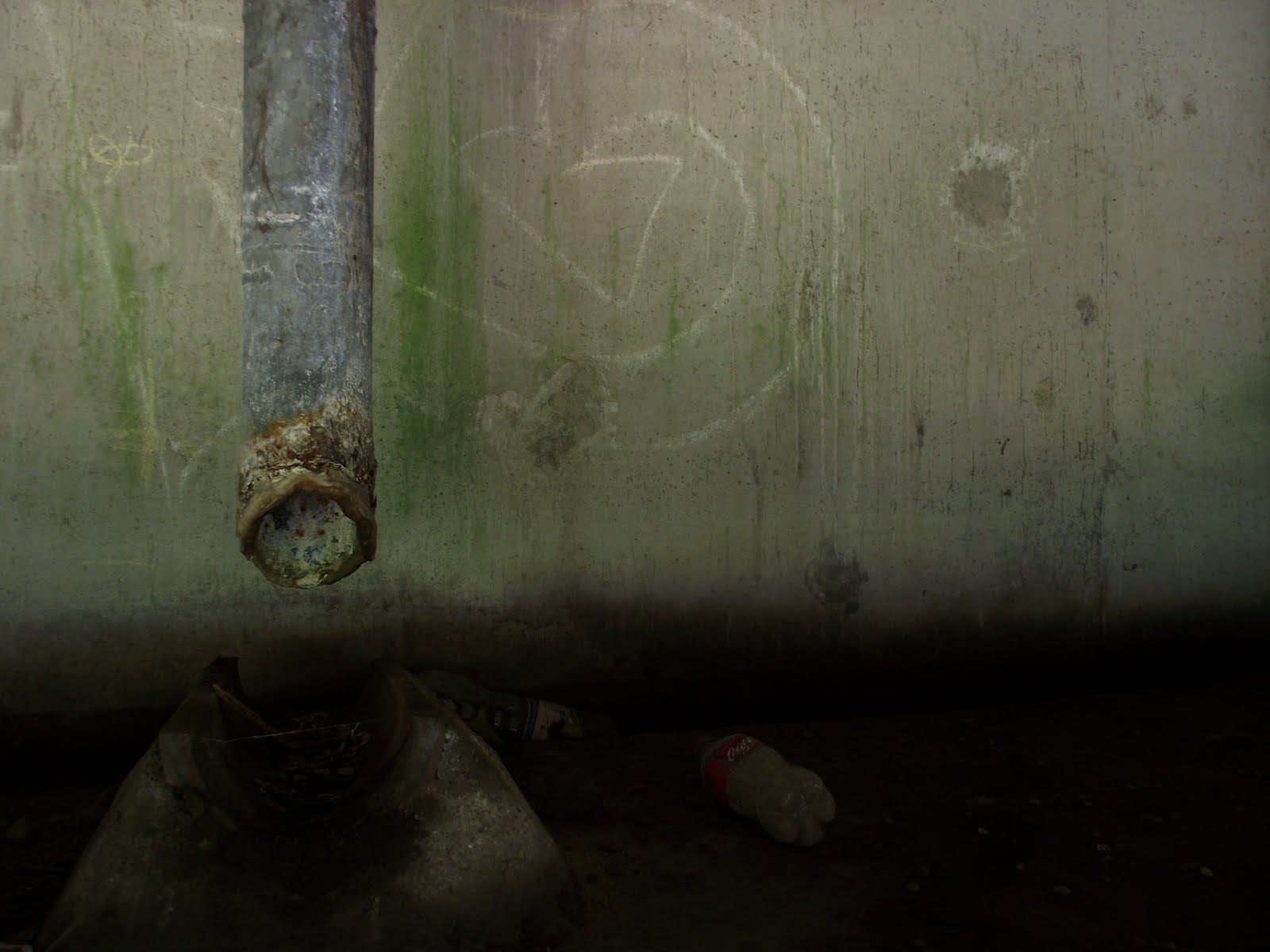
Beneath the Postwick Viaduct, which sees the A47 pass over the Rive Yare. As with Tuesday's entry ('I Wanna Be a Punk (Beneath the A11)') this sees my continuing curiosity with the undersides of bridges and flyovers. Always good for graffiti, for starters.
Apparently, the grounds beneath the Viaduct have been used sporadically as a traveller's site, although it was deserted when I was wandering round. The shrieking clattering noise caused by the traffic passing overhead was suitably dramatic and unsettling.
Labels:
a47,
bridge,
graffiti,
norfolk,
norwich,
postwick,
postwick viaduct,
whitlingham
Friday, 19 August 2011
Paradoxical Loneliness: The Ruins of St. Andrew, Whitlingham
The ruins of the medieval church of St Andrew, at Whitlingham, close to Norwich. Located on the top of a ridge overlooking the Yare, most of the church has collapsed over the years (such as the round tower, in 1940), or has been pulled down for building materials.
Despite the fact that the church has not been in use since the Reformation, some features remaining are Victorian: sites such as The Norfolk Churches Site ( http://www.norfolkchurches.co.uk/whitlingham/whitlingham.htm )suggest that for many years the church was preserved for aesthetic considerations. Little concern now: nowadays, the A47 noisily screams past only a few yards away.
In obvious ways, this has dragged the site away from its picturesque beginnings and towards something far more grey and ugly. The easiest way to approach the church, for instance, is on an old cracked access road for workers used during the A47's construction. Yet it does provide the ruins with a new, stranger atmosphere. It is difficult to actually make out the A47 or its traffic through the roadside trees, and the incessant sounds of passing traffic provides visitors with the feeling of seperation, of invisibility in the face of the mundane and the harsh. The fact that there is no official access to the site (visiting involves clambering over fencing and tramping through nettles), and it is situated at the 'wrong end' of Whitlingham Lane (all traffic for the ski-slopes and the Broad stops much farther up), maintains this place's paradoxical feeling of isolation and loneliness.
Despite the fact that the church has not been in use since the Reformation, some features remaining are Victorian: sites such as The Norfolk Churches Site ( http://www.norfolkchurches.co.uk/whitlingham/whitlingham.htm )suggest that for many years the church was preserved for aesthetic considerations. Little concern now: nowadays, the A47 noisily screams past only a few yards away.
In obvious ways, this has dragged the site away from its picturesque beginnings and towards something far more grey and ugly. The easiest way to approach the church, for instance, is on an old cracked access road for workers used during the A47's construction. Yet it does provide the ruins with a new, stranger atmosphere. It is difficult to actually make out the A47 or its traffic through the roadside trees, and the incessant sounds of passing traffic provides visitors with the feeling of seperation, of invisibility in the face of the mundane and the harsh. The fact that there is no official access to the site (visiting involves clambering over fencing and tramping through nettles), and it is situated at the 'wrong end' of Whitlingham Lane (all traffic for the ski-slopes and the Broad stops much farther up), maintains this place's paradoxical feeling of isolation and loneliness.
Labels:
a47,
church,
norfolk,
norwich,
ruins,
st andrew's,
whitlingham
Tuesday, 5 April 2011
Kiln in the Woods
Labels:
abandoned,
east anglia,
eastscapes,
forgotten,
lime kiln,
norfolk,
norwich,
trowse,
underground,
whitlingham
Tuesday, 21 September 2010
Sunday, 12 September 2010
"Robin - to the Batcave!"
I'll come clean and confess I'm not actually sure what this is. I think it's a disused lime kiln - there is certainly at least one other in the vicinity (the Trowse / Whitlingham Park area). I've heard the other one mentioned as an occasional breeding spot for bats, so perhaps this one is too - although its location (just off Whitlingham Lane, close to the outdoor ski slope, with the tunnel actually running beneath the road) may not be quiet enough. But what do I know?


Subscribe to:
Posts (Atom)